Why Diagnostic is Critical for Effective Employee Engagement?
In a recent conversation with an HR Head, I noticed that the focus was primarily on budget allocation and selecting activities to improve employee engagement. While his eagerness to enhance engagement was evident, he preferred to skip the initial step of issue identification. Although this approach might seem like a time-saver, it definitely overlooks the essential groundwork required for developing effective engagement strategies.
Employee engagement is influenced by various factors like company culture, management practices, and individual employee needs. Without a structured diagnostic study, initiatives may fail to address key issues. A diagnostic study acts as a comprehensive assessment tool that identifies areas needing improvement and provides data-driven insights into employee sentiments, motivation levels, and causes of disengagement.
It is obvious that allocating budgets and selecting activities without this critical step can result in ineffective use of resources. For example, investing in team-building exercises may be futile if the core issue is poor management communication. or, offering financial incentives when your employees desire more meaningful recognition and career development opportunities.
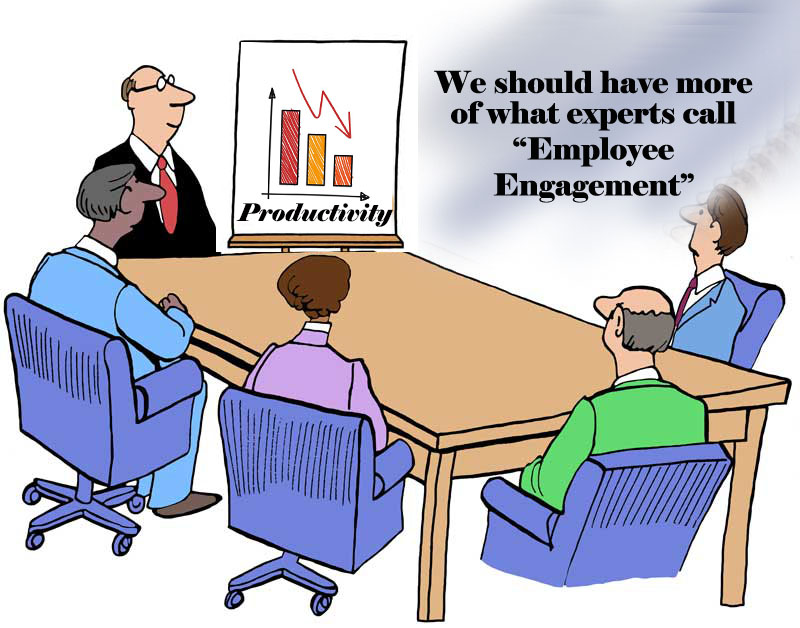
A diagnostic study also helps prioritize initiatives by highlighting the most pressing issues, and a targeted approach ensures that the budget is spent on initiatives that will have the most significant impact on productivity.
Further, involving employees in the diagnostic process can boost engagement by showing that their opinions are valued and that the organization is committed to making data-driven decisions to improve their work environment, and such a participatory approach will help you to foster a sense of ownership and accountability among employees. Conducting a thorough assessment ensures that budget allocations are strategically aligned with the actual needs of the workforce, leading to more impactful and sustainable engagement outcomes.
Please keep in mind that taking the time to understand employees needs can be more effective than simply allocating money-resources to address the issues that may not even exists.